
 English
 Français
 Deutsch
The different origins of hashish
What is hashish exactly?
Switzerland has just authorized the commercialization and sale of CBD hashish . This is an opportunity for us to take a closer look at this product, but most importantly to answer an important question: what is hashish?
Well-known in neighboring France, hashish is the name given to cannabis resin, extracted from the flowers of this plant. Of Arab origin, this name means "hay" or "herb." Humans have learned to make and consume hashish since ancient times. The first allusion to hashish can be found in the classic literature "The Thousand and One Nights," in the story "The Hashish Eater".
It tells of a wealthy man who squanders all his fortune and wanders aimlessly. One day, in a hammam, he ingests a ball of hashish. He then dreams that he is rich again. When he wakes up, he realizes that everyone around him is laughing, but his experience allowed him to regain his pride and confidence.
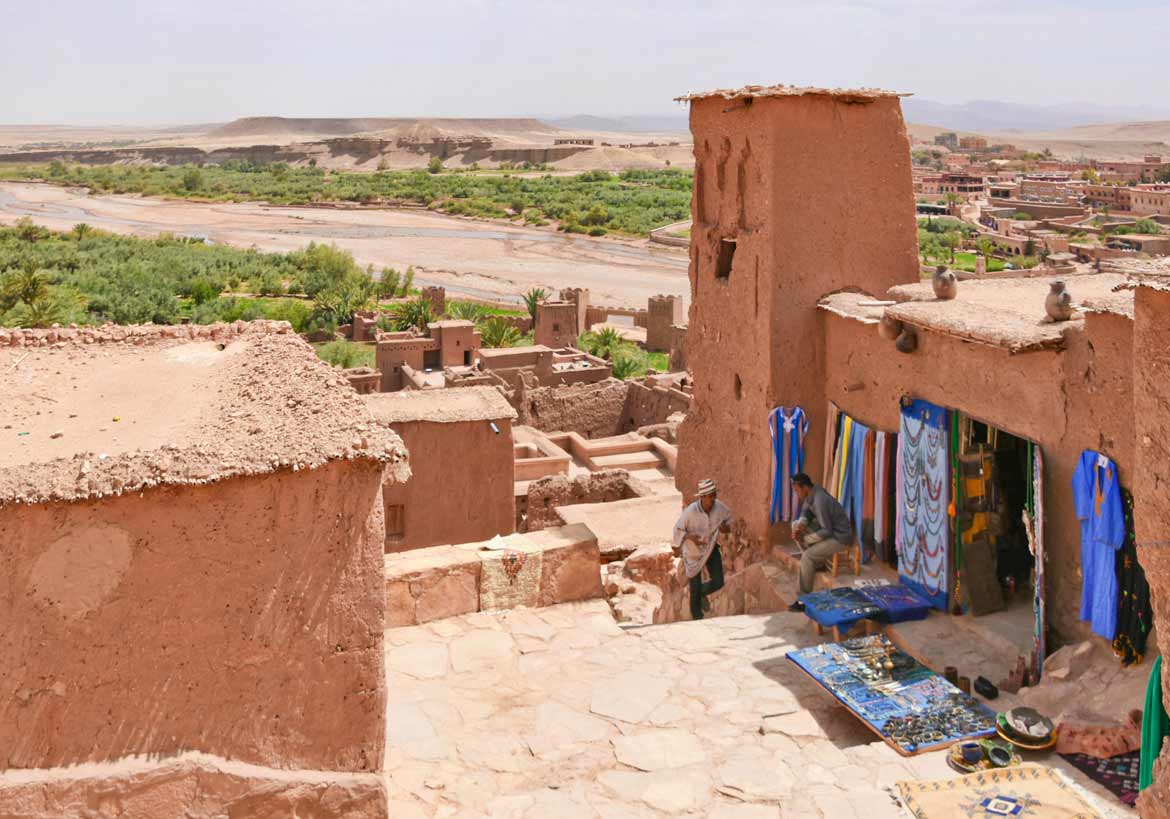
Another legend attributes the first consumption of hashish to a certain Haydar, a monk who also founded a religious order, Sufism. Walking alone in a field after falling into depression, his disciples saw him return changed: he was happy and loved life again. He then decreed that his regained happiness was due to hashish.
Regardless of its origin and its first consumer, hashish spread throughout the Arab world and also in India under the name "Bhang." It later arrived in Europe during the 18th century. During Napoleon's campaign in Egypt, hashish was reportedly used to motivate the French troops. Western doctors began studying hashish during the 19th century with the aim of using it for medical purposes.
Today, hashish is often packaged in small blocks and smoked in joints or using a bong or pipe. If the hash is too compact, it can simply be heated slightly to soften it and make it easier to crumble.
Different types of production
There are many different ways to produce hashish, each with its own qualities and drawbacks. Depending on the chosen method, the hash will have more or less chance of being high quality. Understanding the production method gives a good starting point for judging its quality.
Dry sifting
The most well-known and widely used method today is dry sifting. The main tool required is a sieve. By shaking or rubbing the plant through the sieve, a crystalline resin powder called kif or kief is collected. This powder serves as the base for producing hashish.
The quality of the hashish depends largely on the sieve: the finer the mesh, the purer and higher quality the powder will be. If the mesh is too wide, more plant material will pass through, lowering the overall quality.
Hand rubbing
This is the second most commonly used technique after dry sifting. People using this method usually work directly in their fields. It simply involves walking among the plants with open arms so that sticky resin collects directly on the skin.
Once enough resin is collected, it is scraped off and rolled into small balls that are then refined. The quality of the final hash depends largely on how carefully plant material is avoided.
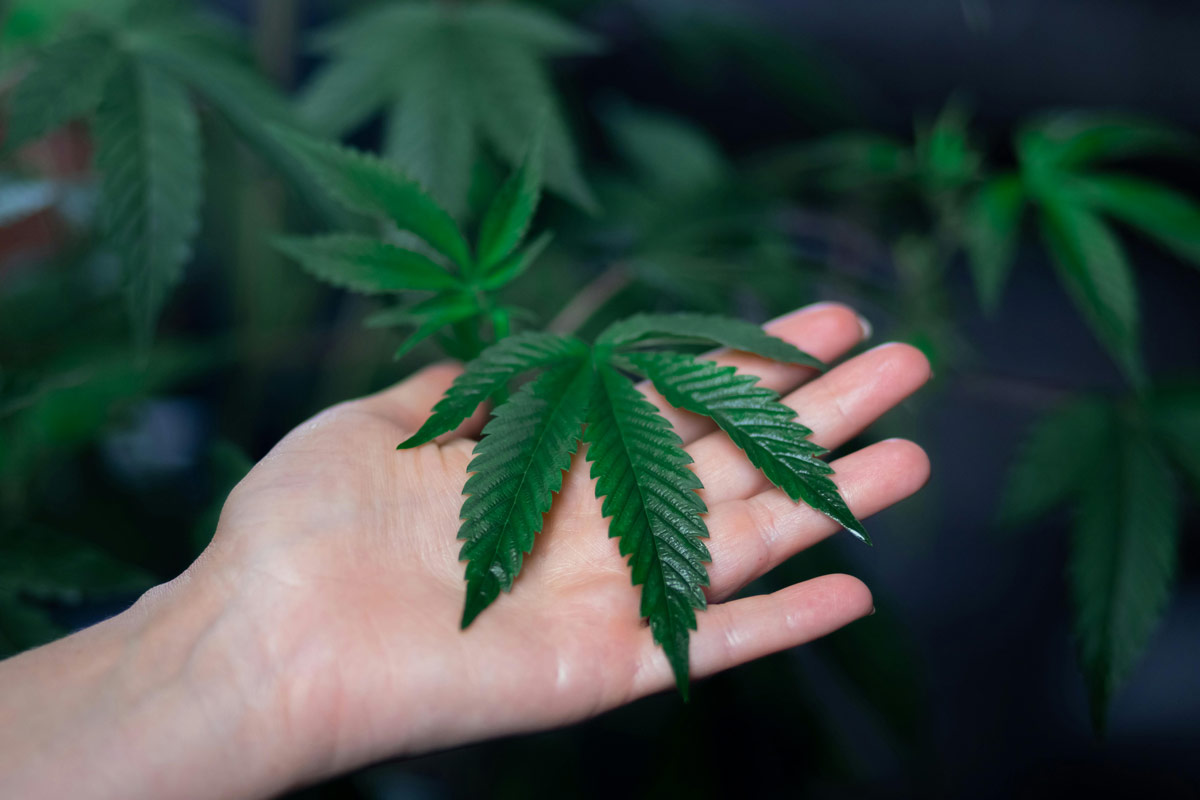
Water extraction
This type of extraction can be done in several ways. You will need either a special washing machine or a bucket, as well as filter bags with different mesh sizes. First, the cannabis flowers must be frozen.
When using the washing machine method, plant material, water, and ice are added to maintain a very low temperature. The agitation causes the resin crystals to harden and detach from the plant, floating to the surface.
The mixture is then filtered through different bags to separate the plant material and collect the precious resin. The smaller the mesh of the bags, the purer the resin obtained.
This concludes our short article on hashish. If you want to try some, we recommend our Lebanese Red, Citrus Gold or the brand new Rasta Rocket.
Don't hesitate any longer and visit our website, where you will surely find what you're looking for.