 English
 Français
 Deutsch
The CBD Market in Switzerland in 2026: Regulations, Developments and Trends
The Swiss CBD market continues to evolve in 2026. From regulations and the 1% THC limit to product quality and emerging trends, discover the key developments shaping the cannabidiol industry in Switzerland.
The Swiss CBD market continues to evolve in 2026. After several years marked by strong growth in the number of producers, brands, and specialized retailers, the industry appears to be entering a new phase: market maturity.
Consumers are becoming increasingly familiar with cannabidiol, industry professionals are becoming more specialized, and Switzerland’s regulatory framework continues to evolve. As a result, product quality, origin, traceability, and business transparency are becoming increasingly important.
But where does the Swiss CBD market really stand in 2026? From the 1% THC limit and new regulations affecting certain products to changing consumer habits and ongoing discussions about future cannabis legislation, let’s take a closer look at the current situation.
Where Does the Swiss CBD Market Stand in 2026?
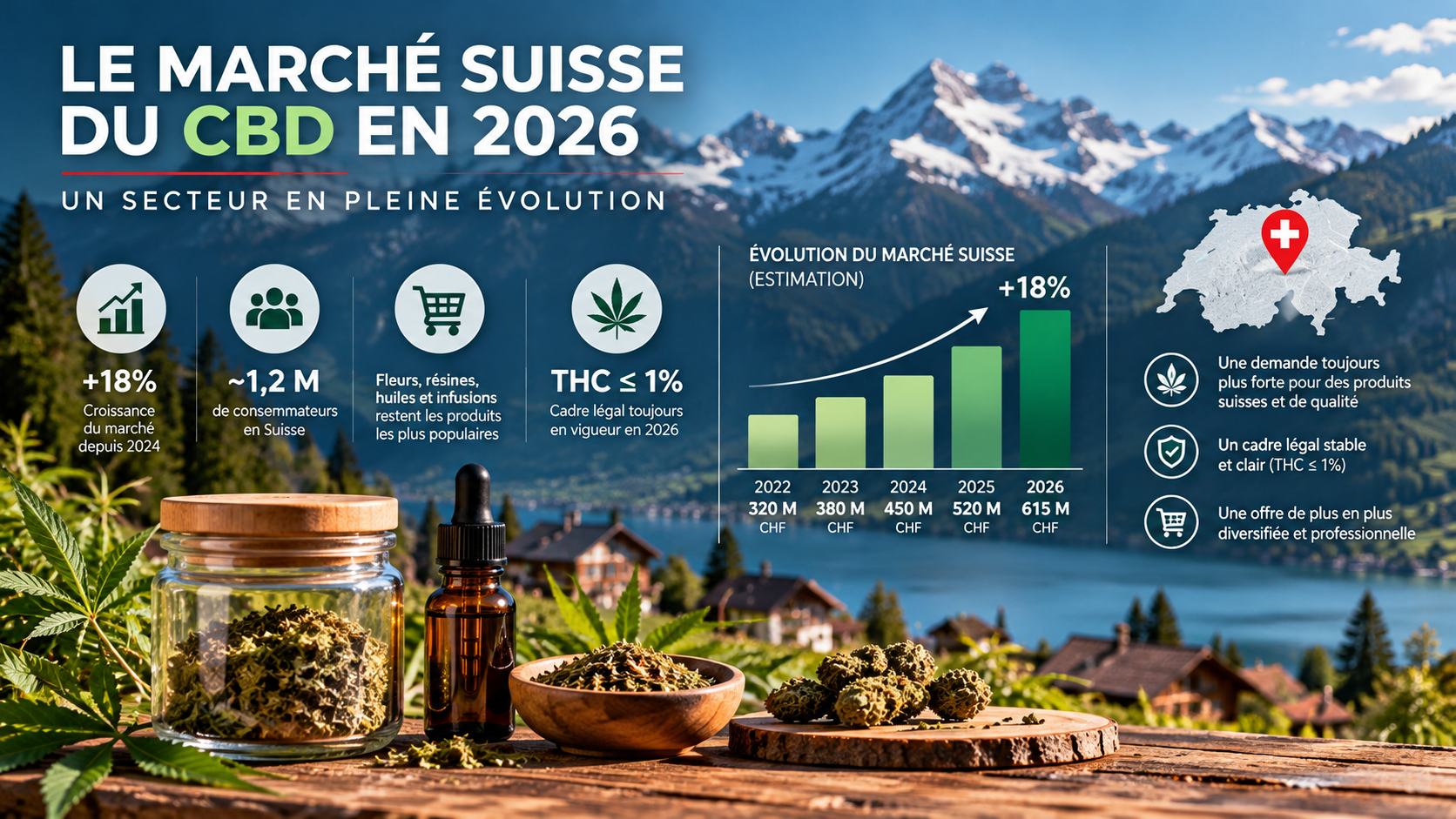
Today's market is very different from the one seen during the CBD boom in the second half of the 2010s.
At that time, low-THC cannabis was still a novelty for a large part of the public. Many companies quickly entered the market, leading to a significant expansion of the product range.
In 2026, the industry is more structured and more competitive.
Companies looking to establish a long-term presence in the market must now pay particular attention to several key factors:
-
Product traceability;
-
Laboratory testing;
-
Actual cannabinoid content;
-
Compliance with labelling requirements;
-
Hemp origin;
-
Production quality;
-
Responsible marketing and communication.
Price obviously remains an important factor, but it is no longer the only one. Consumers can now compare products more easily and increasingly want to know what they are buying, where the hemp comes from, and how it was grown.
The 1% THC Limit: A Unique Feature of the Swiss Market
One of the main distinguishing features of the Swiss market remains the THC threshold.
In Switzerland, hemp containing less than 1% THC is not subject to narcotics legislation. Above this threshold, cannabis is generally considered a narcotic, subject to the exceptions provided for by law.
This 1% limit notably sets Switzerland apart from many European countries.
However, a common misconception remains: Less than 1% THC does not automatically mean that a product can be freely marketed in any form.
The applicable regulations also depend on the intended use of the product.
Depending on the circumstances, a CBD-containing product may fall under:
-
Tobacco product legislation;
-
Food legislation;
-
Cosmetics regulations;
-
Therapeutic products legislation;
-
Chemicals legislation.
Two products containing exactly the same cannabinoid may therefore be subject to very different regulations depending on how they are presented and intended to be used.
CBD Flowers Intended for Smoking
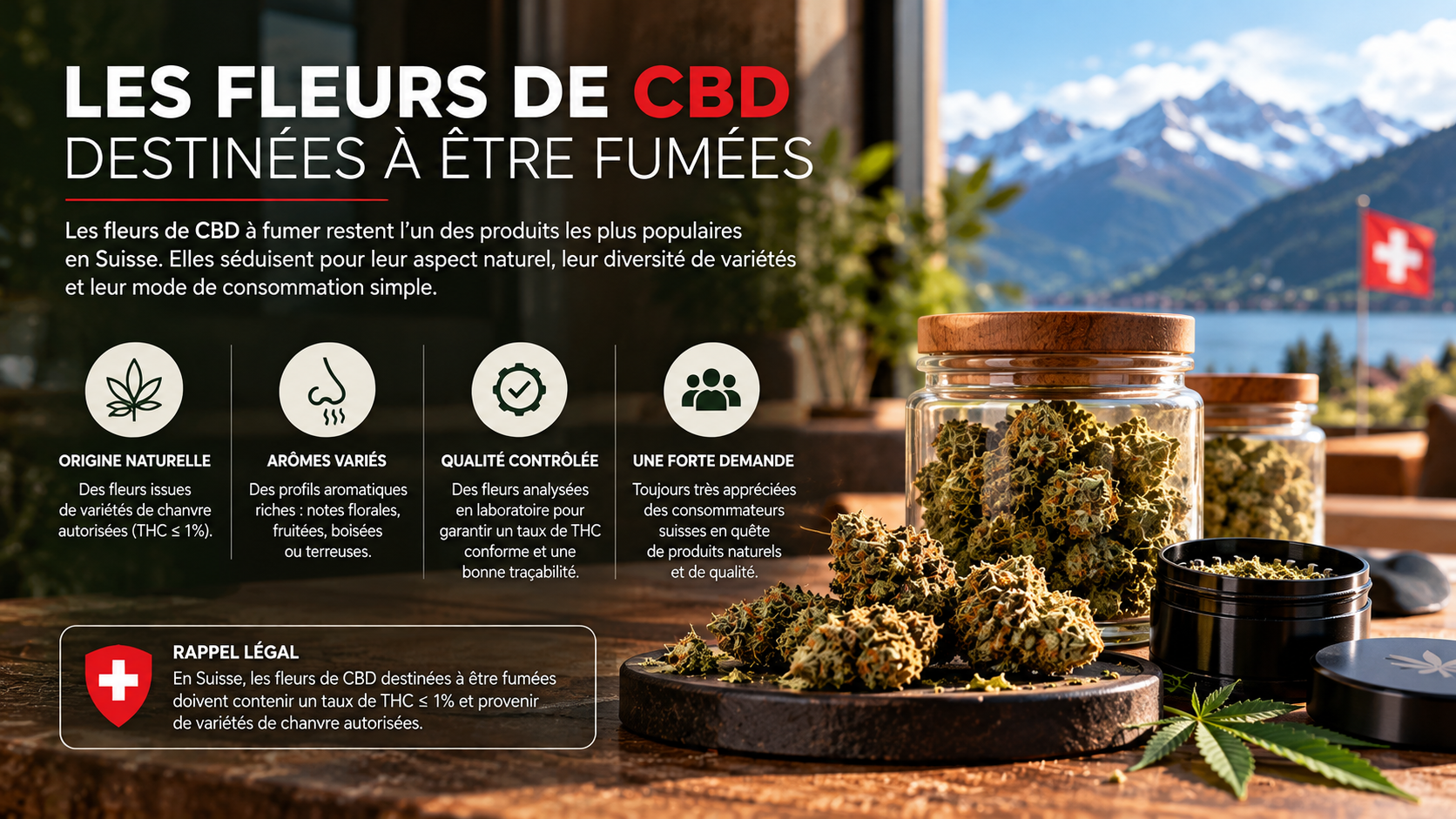
Hemp flowers containing less than 1% THC continue to play an important role in the Swiss market.
When marketed for smoking, they fall under the regulatory framework applicable to herbal smoking products.
Since the new Federal Act on Tobacco Products and Electronic Cigarettes came into force on October 1, 2024, certain regulations have been harmonized at the national level.
The sale or supply of these products to anyone under the age of 18 is prohibited.
This requirement applies to physical stores, online shops, and all other forms of distribution.
Stricter Regulations on Marketing and Communication
Advertising and promotion of the products concerned are also subject to various restrictions.
For CBD professionals, marketing and communication strategies must therefore evolve alongside regulatory changes.
Providing information about a strain, its origin, cultivation method, or characteristics is one thing. Using arguments that could trivialize consumption or present a product as beneficial to health is another.
This distinction is particularly important for online shops, social media, newsletters, and blog content.
CBD Food Products Remain a Complex Issue
The food sector remains one of the most complex areas for consumers.
It is particularly important to distinguish between traditional hemp-derived foods and foods to which cannabinoids have been added.
Hemp seeds and certain products derived from them, such as hemp seed oil or hemp flour, may be marketed as food products provided they comply with the applicable requirements.
The situation is different when a food product is enriched with CBD or a cannabinoid-rich extract.
Such products may fall under novel food regulations and require specific authorizations before they can be marketed.
The fact that a product is sold online or available in another European country does not necessarily mean that it can be legally marketed in Switzerland.
Cosmetics Containing CBD
CBD is also present in the cosmetics industry.
Creams, balms, and various products intended for external application have gradually found their place in hemp-based product ranges.
Here again, manufacturers and distributors must comply with the requirements applicable to this product category.
Product composition, safety, labelling, and documentation all play an essential role.
The way a product is presented is equally important.
A cosmetic product may be marketed according to its cosmetic function, but it must not be artificially presented as a therapeutic product through medical claims that it is not authorized to make.
Why Medical Claims Should Be Avoided
The development of the CBD market has been accompanied by numerous claims regarding its potential effects.
For industry professionals, however, it is essential to make a clear distinction between general information and therapeutic claims.
A freely available product should not be presented as capable of treating or preventing a disease unless it has the appropriate authorization.
This precaution applies in particular to:
-
Product descriptions;
-
Blog articles;
-
Newsletters;
-
Social media posts;
-
Advertisements;
-
Customer testimonials used for commercial purposes.
For responsible businesses in the industry, the challenge is therefore to provide accurate information without turning a hypothesis, personal experience, or preliminary study into a medical promise.
Quality and Traceability: Essential Criteria in Today's Market
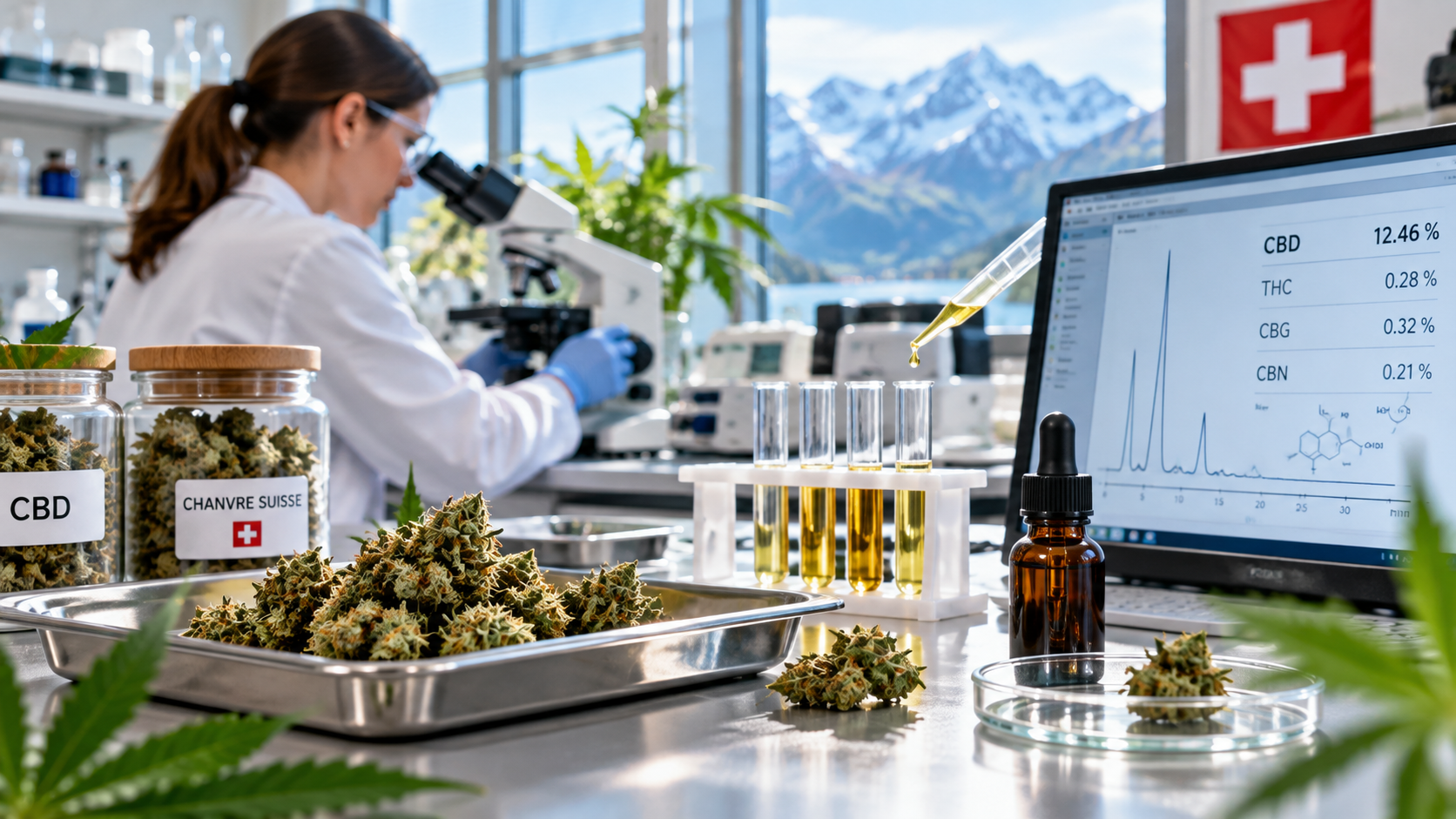
As the market becomes increasingly professionalized, laboratory testing is playing an increasingly important role.
These tests make it possible to verify a product's cannabinoid profile and THC content.
Depending on the product category and production method, additional tests may also detect the potential presence of:
-
Pesticides;
-
Heavy metals;
-
Microbiological contamination;
-
Mold;
-
Residual solvents.
Traceability complements this approach.
Being able to identify a product's origin, batch number, production period, and the tests it has undergone is an important factor for both industry professionals and consumers.
The Swiss market is therefore gradually shifting from an approach primarily focused on CBD content toward a more comprehensive understanding of product quality.
The Growing Importance of Swiss Origin and Short Supply Chains
Product origin is also becoming an important factor in differentiation.
Switzerland has considerable expertise in hemp cultivation, and several production methods coexist.
Indoor Cultivation
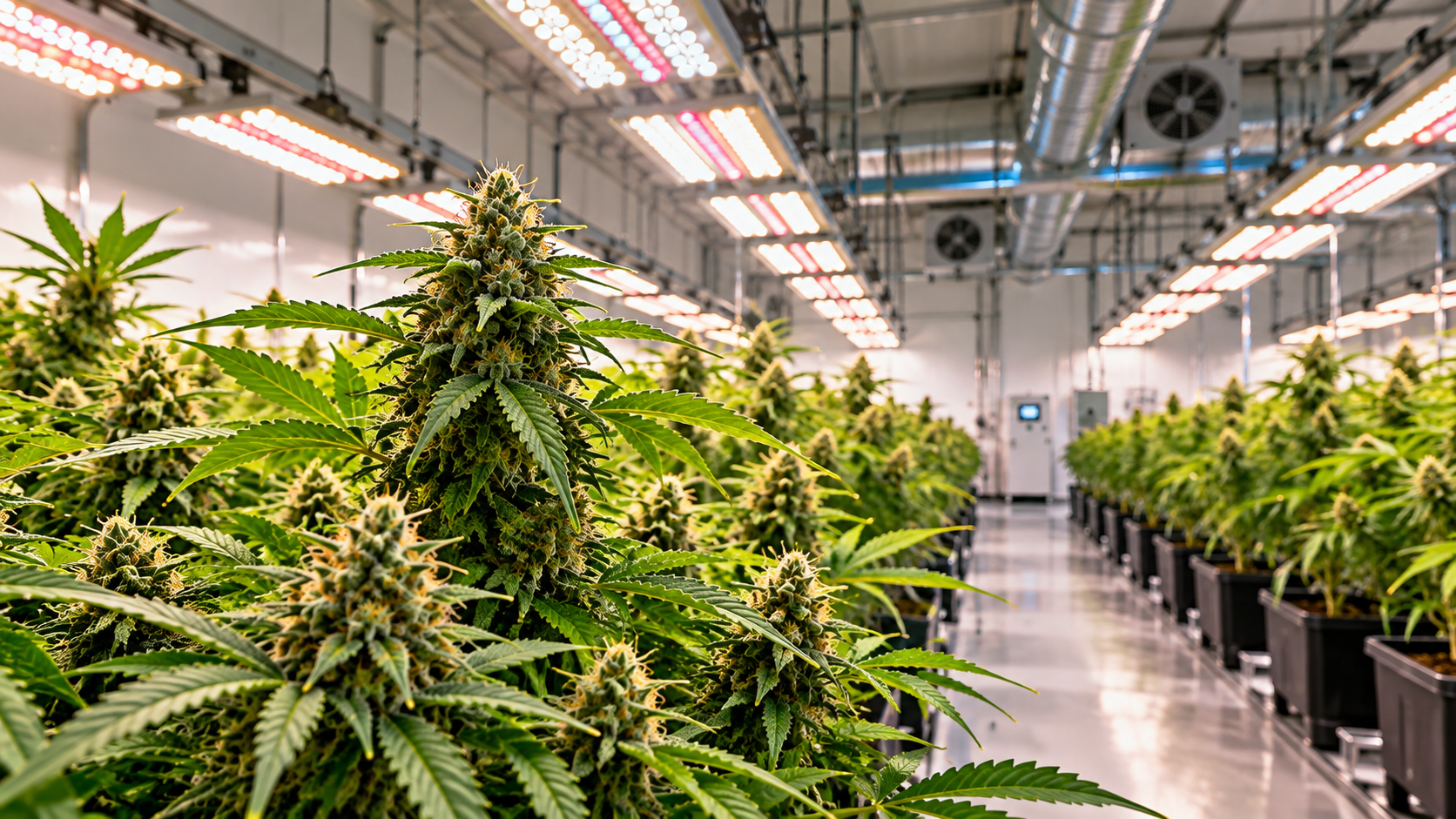
Indoor cultivation allows precise control over light, temperature, humidity, and other environmental factors.
It generally makes it possible to achieve particularly consistent production, but requires more infrastructure and energy.
Greenhouse Cultivation
Greenhouse cultivation offers a middle-ground solution.
It allows growers to benefit partly from natural sunlight while maintaining greater control than with fully outdoor cultivation.
Outdoor Cultivation
Outdoor cultivation is more dependent on climate and seasonal conditions.
However, it makes direct use of natural sunlight and may require less energy than certain indoor facilities.
No cultivation method is automatically superior in every situation. Genetics, growers' practices, drying, curing, and storage also play an important role in the final product's quality.
Sustainability Is Becoming Increasingly Important
Environmental considerations are expected to become increasingly important in the coming years.
The energy consumption of indoor cultivation facilities, water usage, packaging, and transportation are now among the issues that concern some consumers.
For businesses, several approaches can be considered:
-
Optimizing energy consumption;
-
Increasing the use of renewable energy;
-
Reducing unnecessary packaging;
-
Prioritizing recyclable materials;
-
Optimizing irrigation;
-
Supporting short supply chains whenever possible;
-
Making better use of hemp plant by-products.
However, the challenge will be to avoid greenwashing. Environmental claims should ideally be supported by concrete and verifiable evidence.
A Market Where Swiss Businesses Are Becoming More Professional
One of the most noticeable changes in recent years has been the gradual professionalization of businesses operating in the sector.
Consumers are no longer looking solely for high CBD content or the lowest price. Product presentation, company transparency, available information, and consistent quality also contribute to building trust.
This evolution can be observed among various Swiss industry specialists. Companies such as Green Passion, for example, have been developing a specialized range of Swiss hemp products for several years and also publish content aimed at helping consumers better understand the different categories of CBD products.
The growing availability of specialized resources is gradually making the market easier to understand and encouraging businesses to provide more detailed information about their products.
Pilot Trials Are Also Changing the Cannabis Debate
Although they involve cannabis with higher THC levels rather than the traditional CBD market, Swiss cannabis pilot trials are influencing the broader debate surrounding cannabis.
These projects aim to study different models of controlled cannabis distribution to adults within a scientific framework.
Initial observations particularly highlight the importance of controlled quality, the information provided to participants, and a clearly defined distribution framework.
For the CBD market, these developments are interesting because they show that discussions surrounding cannabis in Switzerland are increasingly focusing on control, traceability, information, and harm reduction.
Towards New Cannabis Regulations in Switzerland?
The year 2026 is also significant due to ongoing work on new legislation concerning cannabis products.
The proposed objective is to establish strictly regulated access to cannabis for non-medical use by adults, with particular emphasis on public health and the protection of young people.
However, it is important not to confuse a legislative proposal with legalization that has already come into force.
In 2026, the political process is still ongoing, and various aspects of the future regulatory framework may still change.
For the CBD industry, potential new regulations could eventually bring significant changes to the commercial landscape.
In particular, they could redefine how consumers distinguish between high-THC cannabis and hemp products containing less than 1% THC.
What Trends Can We Expect for Swiss CBD After 2026?